NMCPT 2026 Concludes Successfully in Shanghai: Advancing Global Frontiers in Cancer Prevention and Treatment
The 2026 International Conference on New Models for Cancer Prevention and Treatment (NMCPT 2026) was successfully held in Shanghai during April 17-19, 2026. This conference was jointly hosted by the School of Public Health, Fudan University; the Institute of Nutrition, Fudan University; the Medical College, Tarim University; LaboHeal, organized by Zhiyan Med.
Centered on new models for cancer prevention and treatment, the conference brought together global clinical experts, leading scholars, pharmaceutical and tech enterprise representatives, and young research talents. It spotlighted breakthrough areas including precision oncology, immunotherapy, biomarker discovery, multi‑omics, AI‑enabled medical imaging, traditional Chinese medicine (TCM) anticancer research, and nanodiagnostics and nanotherapeutics.
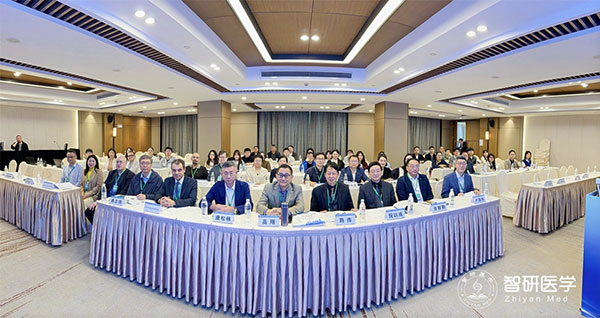
Photo: NMCPT 2026 Group Photo
High-Profile Opening Ceremony, Leading Scholars Launch Academic Event
The opening session was chaired by Professor Guodong Lu of Fudan University, China.
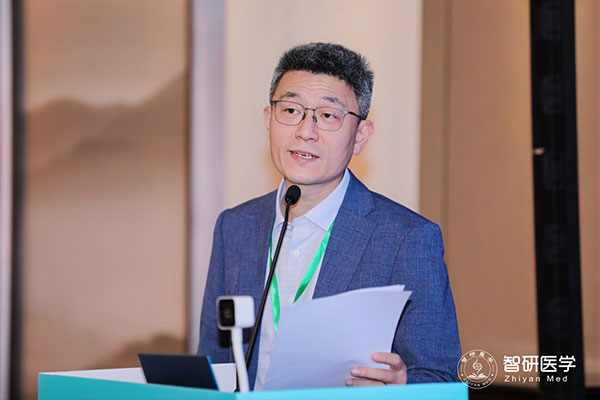
Photo: Professor Guodong Lu
Professor Xiang Gao, Dean for the Institute of Nutritional, Fudan University, China, delivered the opening speech, extended a warm welcome to experts and scholars from home and abroad. Based on international frontiers and clinical needs, the conference aimed to build a high-end academic exchange platform across borders, disciplines, and fields, accelerating the upgrading of cancer prevention and treatment models from traditional therapy to precision, integrated, and early screening, diagnosis and treatment.
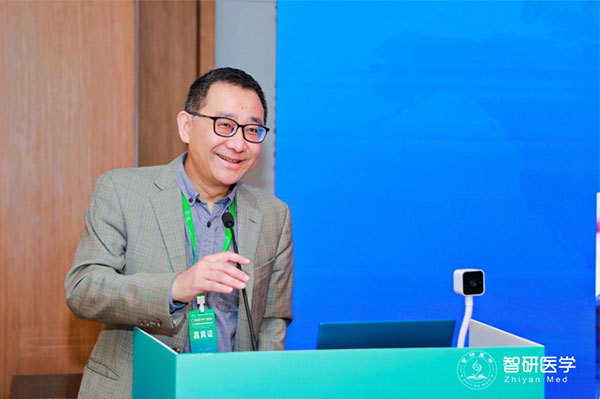
Photo: Professor Xiang Gao
Keynote Speeches by Renowned Experts on Cutting-Edge Advances
Professor Wei Chen, Academician of the National Academy of Inventors, Professor from the Xi’an Jiaotong-Liverpool University, China, systematically shared new progress in cancer photodynamic therapy, focusing on breakthroughs in intelligent sensing and early cancer detection technologies.
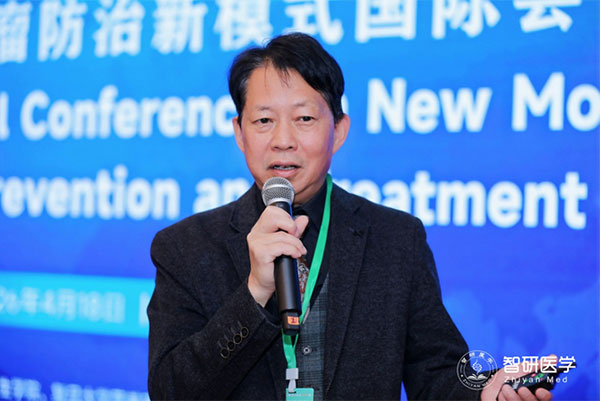
Photo: Professor Wei Chen
Professor Yicheng Ni, the Chief Oncology Expert of the LaboHeal, Professor of the Zhongda Hospital Affiliated to Southeast University, China, delivered an in-depth interpretation of the OncoCiDia (Graded Dual-Target Broad-Spectrum Integrated Diagnosis and Treatment) new anti-cancer model, exploring the innovative application of first-principles in cancer diagnosis and treatment.
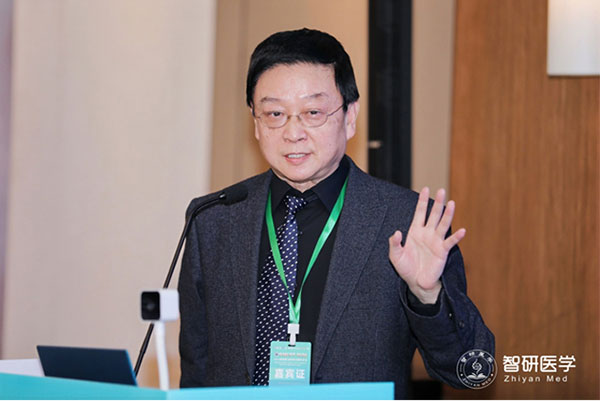
Photo: Professor Yicheng Ni
Meanwhile, Stephen Shen, Content Development Manager for Life Sciences Journals at Wiley, was invited to deliver a special presentation, introducing the publisher’s portfolio of life science journals and the achievements in the development of special issues.
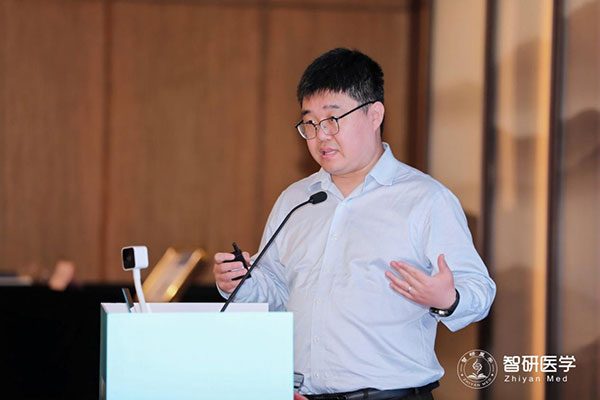
Photo: Stephen Shen
Two Parallel Sessions Covering Cutting-Edge Topics Across Fields
Session 1: Multi-Omics, Immunology & Translational Innovations in Cancer
Chaired by Professor Pier Paolo Piccaluga from the the University of Bologna, Italy.
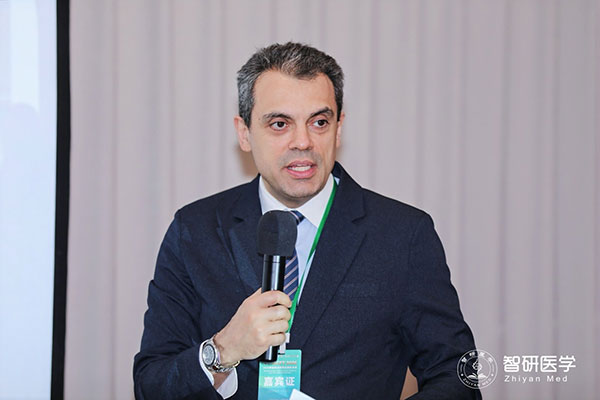
Photo: Professor Pier Paolo Piccaluga
This session focused on single-cell omics, tumor immune tolerance, anti-cancer mechanisms of traditional Chinese medicine, and diagnostic applications of nanomaterials.
Experts including Professor Zhiling Yu from the Hong Kong Baptist University, China; Professor Andrew Teschendorff from the Chinese Academy of Sciences, China; Associate Professor Dipayan Rudra from the ShanghaiTech University, China; and Professor Saman Hosseinkhani from the Tarbiat Modares University, Iran, delivered speeches.
They shared the latest research findings in tumor immune regulation, risk prediction, and natural product anti-cancer research, providing theoretical and technical support for cancer translational medicine.
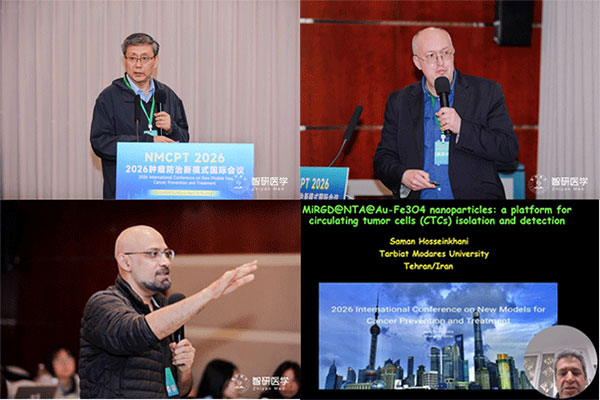
Photo: Keynote Speeches of the Session 1
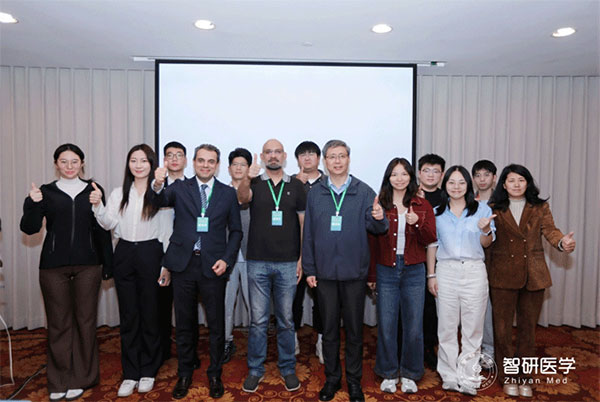
Photo: Group Photo of the Session 1
Session 2: Tumor Microenvironment & the New Waves in Targeted/Immunotherapy
Chaired by Dr. Haibo Wang from the Hangzhou Institute of Medicine Chinese Academy of Sciences, China.
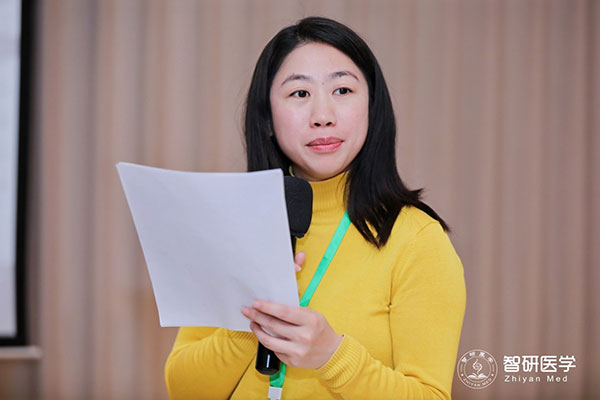
Photo: Dr. Haibo Wang
This session revolved around hot topics such as tumor metastasis mechanisms, tissue regeneration, tumor metabolism, stress response regulation, and integrated Chinese-Western medicine anti-cancer therapy. Dr. Kai Zhang, Associate Researcher from the Shanghai Cancer Institute,China; Associate Professor Christopher L. Antos from the ShanghaiTech University, China; Dr. Hua Su, Researcher from the Fudan University, China; and the research team of Dr. Feng He from the Shanghai University of Traditional Chinese Medicine, China, presented cutting-edge reports. They deeply analyzed key technologies including tumor microenvironment regulation, overcoming targeted therapy resistance, and integrated Chinese-Western medicine cancer treatment, offering new insights for optimizing clinical treatment plans and improving therapeutic effects.
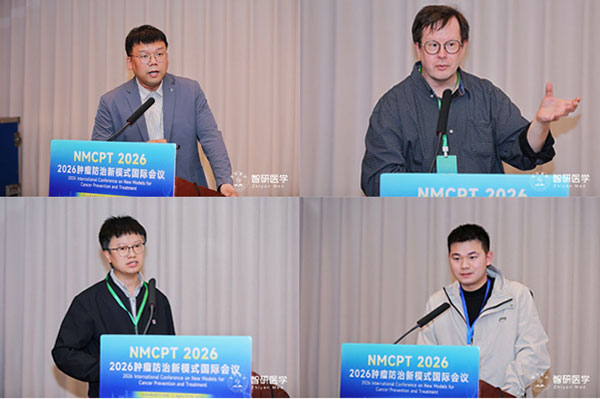
Photo: Keynote Speeches of the Session 2
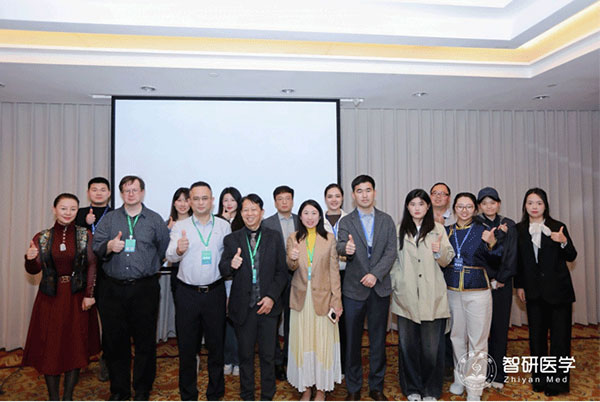
Photo: Group Photo of the Session 2
During the oral presentation session, young researchers from Peking University, China; Zhongshan Hospital, Fudan University, China; Shanghai University of Traditional Chinese Medicine, China and other institutions shared clinical and basic research achievements, demonstrating the innovative vitality of the new force in the field of cancer prevention and treatment.
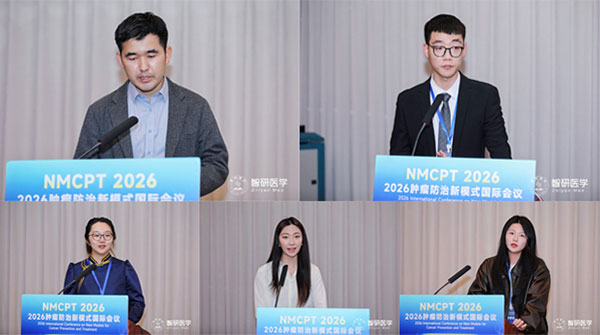
Photo: Oral Presentations
Integrating Academia and Industry to Build a One-Stop Innovation Platform
The conference also featured an academic poster session, young researchers from Hong Kong Baptist University, China; Shanghai University of Traditional Chinese Medicine, China; and the Shanghai Institute of Nutrition and Health (SINH), China and other institutions shared their latest findings in the fields of oncology, molecular and cell biology, pharmacology and traditional Chinese/natural medicine research, as well as gastrointestinal surgery.
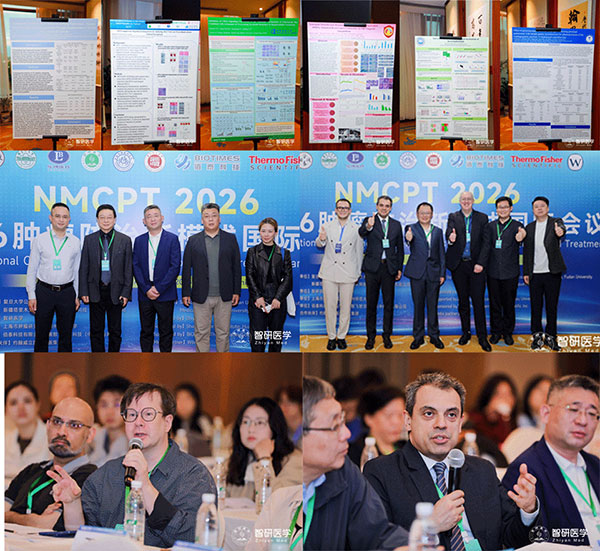
Photo: Academic Poster Exhibitions and Exchanges Session
As a preeminent international academic forum dedicated to novel paradigms for cancer prevention and treatment, NMCPT 2026 integrates global scientific insights and translational innovations across precision oncology, artificial intelligence‑enabled medical applications, traditional Chinese medicine anti‑tumor research, and nanomedicine.
By fostering global research collaboration and facilitating the bench‑to‑bedside translation of state‑of‑the‑art technologies, the conference provides a pivotal platform to advance the global practice of cancer early screening, precise diagnosis, and efficacious therapeutic intervention.