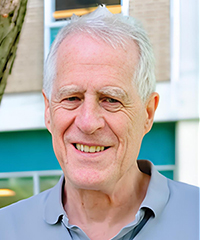
Michael Thompson
Professor, University of Toronto, Canada.
Research Interests: Bioanalytical Chemistry, Clinical Diagnostics, Drug Discovery, Nanotechnology, Molecular Imaging, Systems Biology.
More Information >>
Michael Thompson is a Professor of Bioanalytical Chemistry with the University of Toronto. He has held a number of distinguished research posts, including the Leverhulme Fellowship at Durham University and the Science Foundation Ireland E. T. S. Walton Research Fellowship at the Tyndall National Institute, Cork City. He was made a Fellow of the Royal Society of Canada in 1999. He has been awarded many prestigious international prizes for his research, including the Robert Boyle Gold Medal of the Royal Society of Chemistry, the E. W. R. Steacie Award of the Chemical Society of Canada, the Theophilus Redwood Award of the Royal Society of Chemistry, and the Fisher Scientific Award in Analytical Chemistry of the Chemical Society of Canada. He has served on the Editorial Boards for a number of major international journals, including Analytical Chemistry, Analyst, Talanta, Analytica Chimica Acta, Biosensors and Bioelectronics, and Journal of Breast Cancer Research and Advancements. And He is the Editor-in-Chief of the monograph series Detection Science for the Royal Society of Chemistry, U.K. He is also the member of UK Royal Society of Chemistry, International Society for Electrochemistry, Canadian Institute for Neutron Scattering, American Chemical Society, and IEEE.
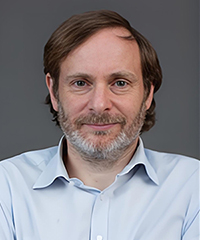
Daniel Falush
Professor, Chinese Academy of Sciences, China.
Research Interests: Microbiology, Gastric Cancer, Statistical Genetic Analysis of Coadaptation, Expanding Genomic Resources, Biomedical and Ecological Relevance.
More Information >>
Daniel Falush, PhD in Biology, is a researcher at the Shanghai Institute of Immunology and Infection, Chinese Academy of Sciences. He received his BA (Hons) from the University of Cambridge in 1992 and his PhD from University College London in 1998. He has held senior research positions at Kyushu University in Japan, the Max Planck Institute for Evolutionary Anthropology in Germany, the University of Oxford, the University of Tokyo, and the University of Bath in the UK. He has published over 80 papers in top journals such as Nature, Science, ISME, Elife, and Nature Communications, with over 30,000 citations and an h-index of 60. He has led numerous research projects, including key R&D projects of the Ministry of Science and Technology of China, the National Natural Science Foundation of China, the China National Senior Foreign Experts Program, Wellcome Trust Project Grants, and the Science Foundation of Ireland. In 2021, he was selected as one of the top 10 Chinese scholars in biology in Elsevier's "Top Global Scientists Ranking." He developed software such as Linkage model of STRUCTURE, STRUCTURE 2.2, fineSTRUCTURE, ClonalFrame, GlobeTrotter, Badmixture, ClonalOrigin, and FineRADstructure, which have been recognized in the industry and widely cited.
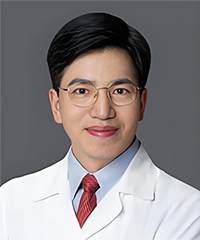
William C. Cho
Senior Researcher, Queen Elizabeth Hospital, China.
Research Interests: High-Throughput Technologies, Biomarkers for Cancer Diagnosis, Treatment Prediction and Prognosis.
More Information >>
William C. Cho is Senior Researcher at Department of Clinical Oncology, Queen Elizabeth Hospital, Hong Kong, China. He is a Chartered Scientist granted by the Science Council (UK) and a fellow member of several institutes, including the Institute of Biomedical Science (UK), Hong Kong Institute of Biomedical Science, and Hong Kong Society for Molecular Diagnostic Sciences. Besides, he is also a registered Chinese medicine practitioner. Dr Cho has published more than 600 peer-reviewed papers on international academic journal papers and dozens of books covering cancer biomarkers, proteomics, and microRNAs. He serves as the editor-in-chief, editor and associate editor of a number of international medical journals. Dr Cho is also an international renowned grant reviewer of the Hope Funds for Cancer Research (USA), Cancer Research (UK), MRC Research Grant (UK), Health Research Board (Ireland), Science Foundation (Ireland), Istituto Toscano Tumori (Firenze), The Foundation Fournier-Majoie for Innovation (Brussels), National Medical Research Council (Singapore), The Medical Research Council (South Africa), and Academia Sinica Investigator Award (Taiwan), etc. And he was recognized as a Highly Cited Researcher in 2023 by Clarivate.
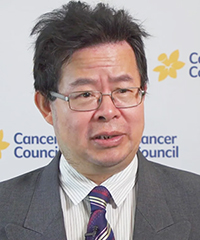
Tao Liu
Professor, Zhengzhou University, China.
Research Interests: Tumor Formation, Tumor Diagnosis, Tumor Treatment, Biomaterials, Medical Imaging.
More Information >>
Dr. Tao Liu is currently a professor and doctoral supervisor at the School of Medical Sciences and Tianjian Advanced Biomedical Laboratory (Zhengzhou University), Zhengzhou University. Dr. Liu graduated from the University of New South Wales, Australia. From 2011 until his move to China, Dr. Liu served as an Australian Research Council Future Fellow and Director of the Gene Disorders Group at the Australian Children's Cancer Research Institute. Dr. Liu's main research areas are: (1) Research on RNA methylation, long non-coding RNA, RNA-binding proteins, transcriptional super-enhancers, and histone modification proteins in tumorigenesis, diagnosis, and treatment; (2) Development of small molecule inhibitors of RNA methyltransferases, long non-coding RNA, and RNA-binding proteins. Dr. Liu has published first-author and corresponding-author research papers in journals such as Nature Communications, Cell Death & Differentiation, PNAS, Advanced Science, Cancer Research, Clinical Cancer Research, and JNCI. Dr. Liu has presided over several research projects funded by the National Institutes of Health (NIH), the Australian Health and Medical Research Council (NHMRC), and the National Natural Science Foundation of China. Dr. Liu Tao serves on the editorial board of several journals and has supervised more than ten doctoral students and postdoctoral fellows.
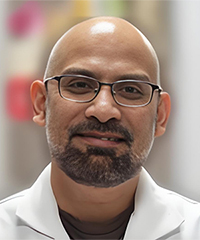
Dipayan Rudra
Associate Professor, ShanghaiTech University, China.
Research Interests: Immune Tolerance, Autoimmunity and Inflammation, Regulatory T Cells, Tumor Immunology.
More Information >>
Dipayan Rudra graduate from Albert Einstein College of Medicine with the doctor degree in 2005. Then he has been worked as Postdoctoral Fellow in University of Washington from 2006-2008, Research Fellow in Memorial Sloan Kettering Cancer Centre from 2009-2013, Principal Investigator in Academy of Immunology and Microbiology, Institute for Basic Science from 2013-2019, Research Associate Professor in Integrative Biosciences and Biotechnology (IBB), Pohang University of Science and Technology from 2019-2020, and Senior Scientist in Immunobiome Inc. from 2020-2021. Now he is the Associate Professor, Researcher, and Doctoral Supervisor in School of Life Science and Technology, ShanghaiTech University. His researches mostly focus on immune tolerance, autoimmunity and inflammation, regulatory T cells, and tumor Immunology. And he also published dozens of papers on international academic journals, and been the reviewer of many internation outstanding journals. He is the Editorial Member of Scientific Reports, and been the Guest Editor of International Reviews of Immunology.
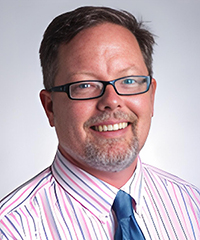
Thomas J. Webster
Professor, Brown University, USA.
Research Interests: Nanomedicine, Biomaterials, 4D Printing, Artificial Intelligence.
More Information >>
Thomas J. Webster's (H index: 137) degrees are in chemical engineering from the University of Pittsburgh (B.S., 1995; USA) and in biomedical engineering from RPI (Ph.D., 2000; USA). He has formed over a dozen companies who have numerous FDA approved medical products currently improving human health in over 30,000 patients. He is currently helping those companies and serves as a professor at Brown University, Saveetha University, Hebei University of Technology, UFPI, University of the Basque Country and others. Dr. Webster has numerous awards including: 2020, World Top 2% Scientist by Citations (PLOS); 2020, SCOPUS Highly Cited Research (Top 1% Materials Science and Mixed Fields); 2021, Clarivate Top 0.1% Most Influential Researchers (Pharmacology and Toxicology); 2022, Best Materials Science Scientist by Citations (Research.com); and is a fellow of over 8 societies. Prof. Webster is a former President of the U.S. Society for Biomaterials and has over 1,350 publications to his credit with over 55,000 citations. He was recently nominated for the Nobel Prize in Chemistry. Prof. Webster also recently formed a fund to support Nigerian student research opportunities in the U.S.
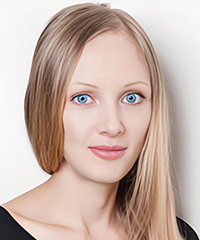
Evelyne Bischof
Professor, Shanghai University of Medicine and Health Sciences, China.
Research Interests: Oncology and Longevity Medicine, Artificial Intelligence, Digital Health, Precision Medicine, Biogerontology, Geronto-Oncology.
More Information >>
Evelyne Yehudit Bischof, M.D., PhD, MPH. Sheba Longevity Center, Medical Director. Professor in Medicine at the Shanghai University of Medicine and Health Sciences and Tel Aviv University, International Center for Multimorbidity and Complexity in Medicine (ICMC), Universität Zürich. Chief Physician Associate of Internal Medicine and Oncology at the University Hospital Renji of Jiaotong University. Longevity Physician at Human Longevity Inc., San Diego. She is Swiss Board certified as an Internal Medicine Specialist (FMH), trained in Europe, the U.S. and China, in Harvard Medical School-affiliated hospitals such as Mass General Hospital, Beth Israel MD, Dana Farber Institute, Columbia University NYC, Tongji University hospitals in Shanghai and University Hospitals of Zurich and Basel in Switzerland. She spent a decade practicing medicine, lecturing at medical schools and performing clinical and translational research in New York, Shanghai and Basel, with extensive experience in scientific research and clinical practice at the following highly reputable institutions: University Hospital of Basel, Fudan Cancer Institute and Hospital, Zhongshan Hospital, Renji Hospital and Shanghai East Hospital. Evelyne has published over 100 peer-reviewed papers and is a frequent speaker at scientific and medical conferences. She also holds several scientific and advisory board positions at Biotech and Longevity hubs.

Hua Su
Researcher, Fudan University, China.
Research Interests: Tumor Microenviroment and Metabolism, Mechanism of Macropinocytosis Initiation, Functions of Collagen in Tumor Development and Tumor Immunity, Tumorigenesis and Tumor Metabolism of Desmoplastic Cancer.
More Information >>
Dr. Hua Su conducted his Ph.D. training at the Department of Biochemistry and Molecular Biology at Zhejiang University. He worked as the Postdoctoral Scholar in University of California on 2018-2022. Now, he is the Principal Investigator at Institutes of Biomedical Sciences, Fudan University, and he also is the Principal Investigator at Zhongshan-Xuhui Hospital, Fudan University. In 2022, Dr. Su established a research laboratory focus on tumor microenvironment and tumor metabolism. Dr. Su is currently the Guest Associate Editor for Frontiers in Veterinary Infectious Diseases journal, member of the American Association for Cancer Research (AACR), member of American pancreatic Association (APA) and member of American Chinese Society for Biological Sciences (SCBA). During his career, he has received many awards, including National Scholarship (2007, 2015, 2016); Roche Education Award for Excellence in Research (2017). Shanghai Leading Talent Project, 2022; National Natural Science Foundation--Outstanding Youth Project, 2022. He has published a series of papers in internationally renowned journals such as Nature, Cancer Cell, Molecular Cell, Autophagy, Nature Communications, and PNAS, revealing the relationship between macropinocytosis and classical autophagy, establishing the transcriptional regulatory mechanism of macropinocytosis, and discovering the regulatory role and mechanism of the existence of type I collagen in the occurrence and metastasis of pancreatic cancer. These findings provide new strategies for the treatment and prognosis of pancreatic cancer, and he has applied for two related US patents.
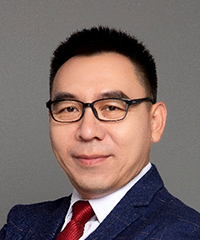
Bo Yang
Professor, Wenzhou Medical University, China.
Research Interests: Lipid Nutrition, Human Mind-Body Health, Bioinformatics, Sports Nutrition.
More Information >>
Bo Yang, PhD, FRSM, is a Research Professor and Director of the Institute of Lipids Medicine at Wenzhou Medical University. He earned his PhD in Food Science from Zhejiang University, completed postdoctoral training in Nutritional Psychiatry at China Medical University, and is a Visiting Researcher in Psychiatric Epidemiology at Karolinska Institute (KI). Dr. Yang is an internationally recognized scholar specializing in lipid nutrition and human mind-body health, and an elected Fellow of the Royal Society of Medicine (FRSM, UK). His research group bridges multi-centric population cohorts with cutting-edge causal inference frameworks, bioinformatics, and experimental validation. He has authored over 70 peer-reviewed papers in high-impact journals, accumulating nearly 3,000 citations with a H-index of 27. He also brings extensive editorial and organizational leadership to the international scientific community, serving as Deputy Editor-in-Chief (Statistics) for the British Journal of Nutrition and as a member of the Editorial Board for Brain, Behavior, and Immunity. Additionally, he holds senior executive roles across prominent councils, including Vice Chairman of the Sports Nutrition Branch of the Chinese Nutrition Society and Executive Director of the Nutrition and Food Branch of the Chinese Society of Gerontology and Geriatrics.
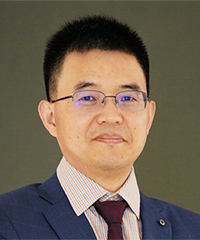
Feng He
Researcher, Shanghai University of Traditional Chinese Medicine, China.
Research Interests: Pathogenesis of Liver Cancer, Immunotherapy for Tumors.
More Information >>
Dr. He obtained his Ph.D. degree from the University of Oklahoma Health Sciences Center, USA. He studied the Alcoholic and Non-Alcoholic Fatty Liver Disease (AFLD/NAFLD), Toxicant-Associated Fatty Liver Disease (TAFLD) and their progression into steatohepatitis, liver cirrhosis and liver cancer as well as tumor immunotherapy. Currently, his research focuses on stress response signaling in the regulation of inflammation and metabolism, and their roles in pathogenesis of cancer as well as exploring the new methods for cancer prevention, diagnosis, and treatment. Dr. He has received Lilly Innovative Fellowship Award from Eli Lilly and Joy Cappel Young Investigator Award. As a principle investigator, he undertook Eli Lilly's non-alcoholic steatohepatitis and liver cancer research fund and also participated in 5 research funds from the National Institutes of Health. Dr. He has published more than 20 research papers in journals such as Cancer Cell, J Hepatol, Proc Natl Acad Sci USA, EMBO J, J Biol Chem., Int J Mol Sci., Carcinogenesis, etc., with an average of more than 70 citations per paper. The highest impact factor of the journals, in which he is a first author or corresponding author, is 20.6.
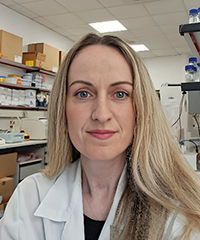
Eleni Petsalaki
Postdoctoral Researcher, University of Crete, Greece.
Research Interests: Research Interests: Cancer Cell Biology, Cell Cycle, Cell Division.
More Information >>
Dr. Eleni Petsalaki is a Postdoctoral Research Scientist in the Department of Biology at the University of Crete, Greece, working in the laboratory of Professor George Zachos. She earned her PhD in 2014 in Molecular Biology and Biomedicine from the same institution. Her main interest is mitotic cell division and mechanisms that monitor mitotic progression called the mitotic spindle checkpoint and the abscission checkpoint. Additionally, her work explores the biochemical pathways that trigger chromosomal instability and oncogenesis when dysregulated. Highly engaged in the scientific community, she frequently contributes to international conferences as an invited speaker and serves on the organizing and scientific committees of various scientific meetings. Dr. Petsalaki has co-authored 20 peer-reviewed publications in high-impact journals, including Nature Communications, The EMBO Journal, Communications Biology, Journal of Cell Biology, and Journal of Cell Science, accumulating over 650 citations. Her research excellence has been recognized with competitive funding from the H.F.R.I. and the Bodossaki Foundation. She is an active member of several scientific organizations including FEBS, AACR, EACR, and the Royal Society of Biology, and serves as an ambassador for the EACR.